

ART021 2025 Shanghai Contemporary Art Fair
Jiro YOSHIHARA
Chiyu UEMAE
Tsuyoshi MAEKAWA
Shuji MUKAl
Nobuo SEKINE
Ssumu KOSHIMIZU
Sook JinJo
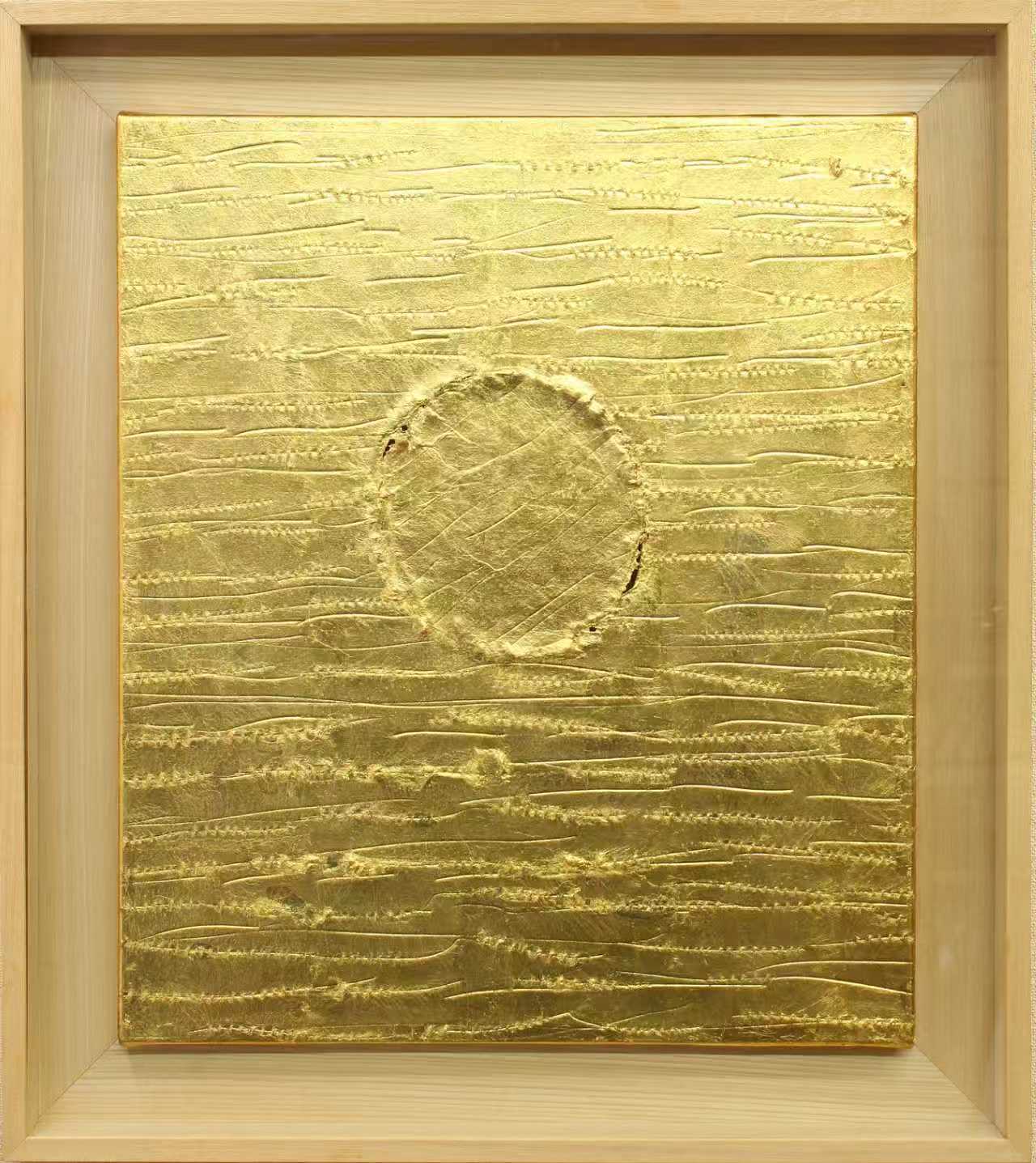
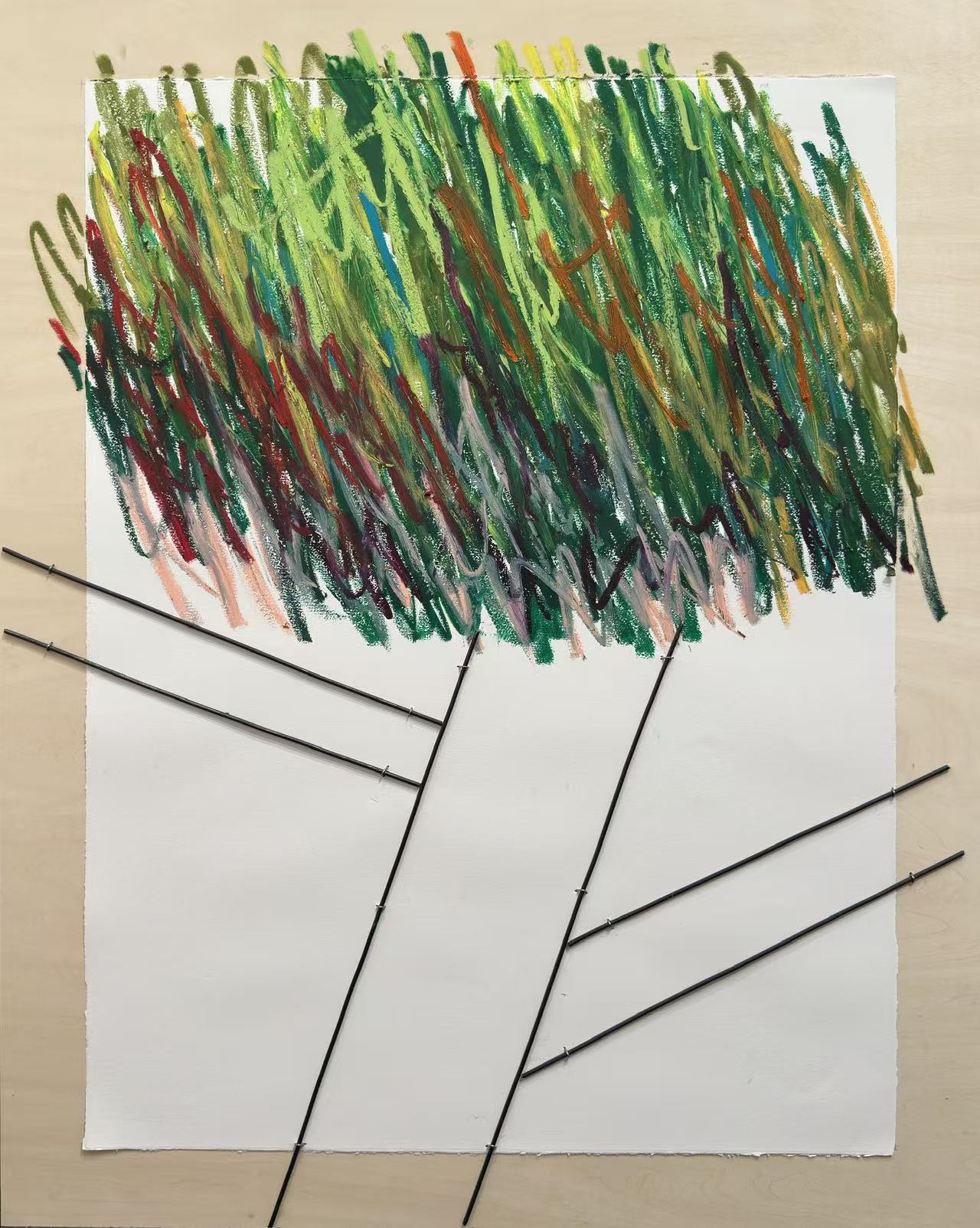
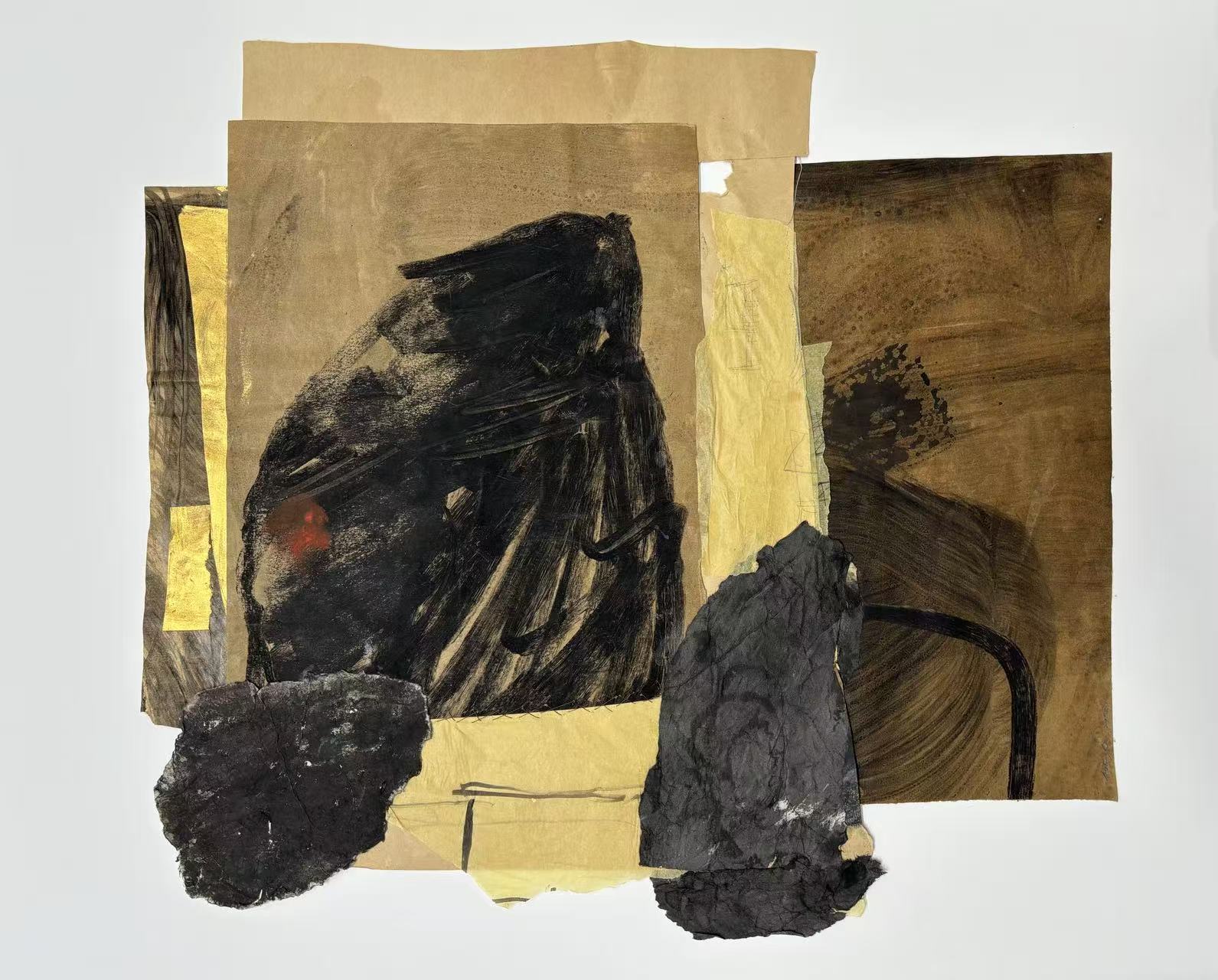
ART021 2025 Shanghai Contemporary Art Fair
Jiro YOSHIHARA(1905~1971)
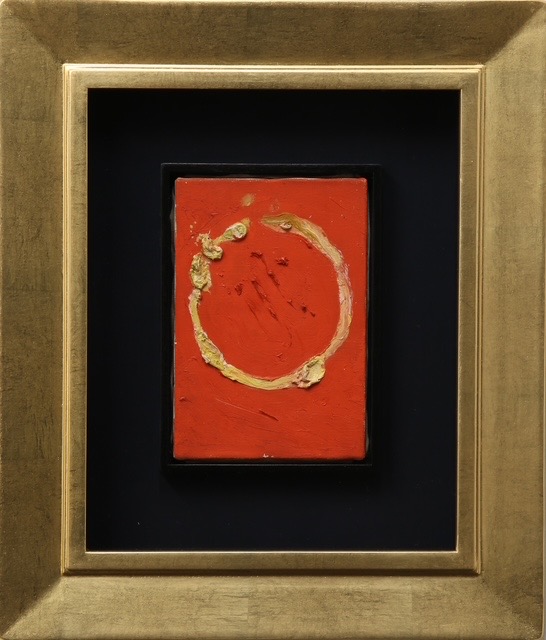
The founder and leader of the Gutai Art Association, Jiro YOSHIHARA championed the principle of “Do not imitate others,” establishing a new form of art grounded in a direct materiality that sought to explore existence itself. From the 1960s onward, his Circle series became his signature mode of expression and garnered international attention.
Chiyu UEMAE(1920~2018)
Chiyu Uemae was born in Kyoto prefecture, Japan in 1920. Uemae’s career began with his involvement in the Gutai Group, which was founded by his hard-won mentor Jiro Yoshihara (the founder of the avant-garde Gutai group). In 1953, Uemae meets Yoshihara, since then, the artist takes part in every Gutai exhibition until its dissolution. Uemae, unlike many of his Gutai peers, is not known for using action as the basis of his mixed-media works.
Tsuyoshi MAEKAWA(b.1936)
Tsuyoshi MAEKAWA was a prominent member of the Gutai Art Association during its most active years. In 1959, he began studying under Jiro Yoshihara and made his debut at the 8th Gutai Art Exhibition held at the Kyoto Municipal Museum of Art. He officially joined the Gutai Art Association in 1962, and the following year held his first solo exhibition at the Gutai Pinacotheca. Until the death of founder Jiro Yoshihara and the dissolution of the association in 1972, Maekawa remained an active participant in every Gutai exhibition.
Shuji MUKAI(b. 1940)
Shuji MUKAI was born in 1940 in Kobe, Japan. He was a central figure in the second generation of the Gutai Art Association. In 1959, he met the group’s leader, Jiro YOSHIHARA, and by 1961 had become one of its youngest members. MUKAI held a significant position in Japan’s postwar avant-garde art scene; his works not only advanced the development of Gutai art but also contributed new ideas to the evolution of installation art.
Nobuo SEKINE(1942~2019)
Nobuo Sekine was born in 1942 in Ōmiya, Saitama (now Saitama City). Artist studied under Yoshishige Saito at Tama Art University and its graduate school. His groundbreaking workPhase—Mother Earth, exhibited at the Suma Rikyu Park Contemporary Sculpture Exhibition in Kobe in 1968, won the Asahi Newspaper Award and is often credited as a starting point for the Mono-ha movement, an essential part of post-war Japanese art history. In 1970, Sekine’s work Phase of Nothingness was exhibited at the Venice Biennale, after which he spent two years working in Italy.
Susumu KOSHIMIZU(b.1944)
Artist, former president of Takarazuka University, honorary professor of Kyoto Municipal University of Arts. Born in Uwajima City, Ehime Prefecture, he studied at the Sculpture Department of Tama Art University from 1966 to 1970. He left Tokyo in 1973, moved to Kansai, and currently lives in Takarazuka City. One of the core members of the Mono-ha art group that emerged from the late 1960s to the 1970s. In 1970, he participated in the “10th Japan International Art Exhibition – Man and Matter”. After that, he participated in the “7th Paris Youth Biennale” in 1971, and in 1976 and 1980, he participated in the “37th and 39th “The Venice Biennale”, and in 1983 he participated in large-scale international exhibitions such as the “17th Sao Paulo Biennale”. He is one of the representative artists and sculptors of contemporary Japan.
Sook Jin JO(b.1960)
Sook Jin JO (조숙진) is a Korean-born, New York–based multidisciplinary artist whose practice spans drawings, collages, photographs, sculptural assemblages, performances, installations, public works, and architectural design. For more than forty years, she has explored the expressive potential of found wood and discarded materials, beginning with plywood when canvas was unaffordable early in her career. Through site-specific and often collaborative projects, JO transforms neglected spaces into works that bridge art, community, and spirituality. Her projects have engaged local communities in countries including Korea, India, Poland, Sweden, Switzerland, Bolivia, Nicaragua, Brazil, Guatemala, El Salvador, Honduras, and the United States.